GloboTreks is reader-supported through affiliate links. If you make a purchase through these links, I might earn a commission at no extra cost to you. Thank you for your support! – Norbert
307shares
I’ve only been to few villages where I could say that as soon as I stepped in, I felt like I was taken back to its original time – its time of glory. That was the case of Grazzano Visconti. This is a spectacular medieval village located only 11km away from Piacenza.
Now, I said it is a medieval village and what we see today truly looks authentic to the medieval times, but the truth is that Duke Giuseppe Visconti di Modrone created this village in the early 1900s. Still, there is a lot of history here since documents bear witness to the existence of a center inhabited as early the 1300s. In addition, the name Grazzano derives from “Graccus Graccianum”, the name of the then-proprietor of the surrounding land.
Now, I want to show you the rest of the history and details through my spontaneous iPhone captures from this fascinating, hard-to-believe-it-exist village.
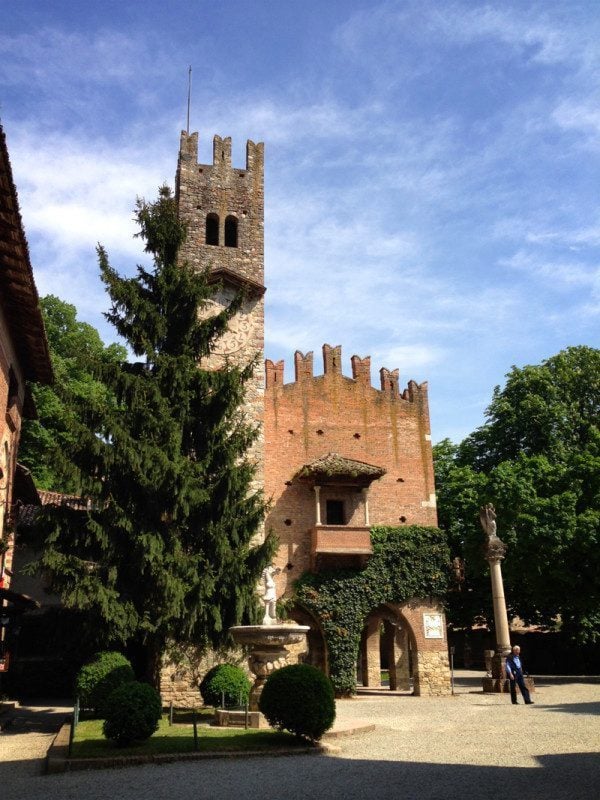
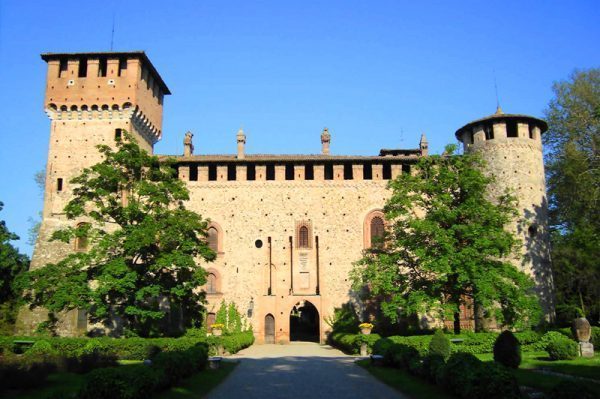
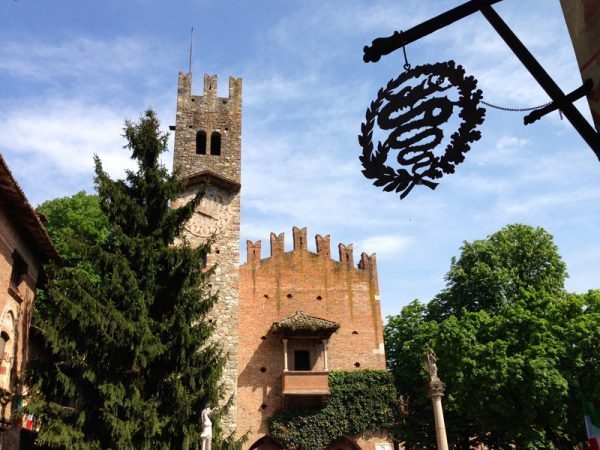
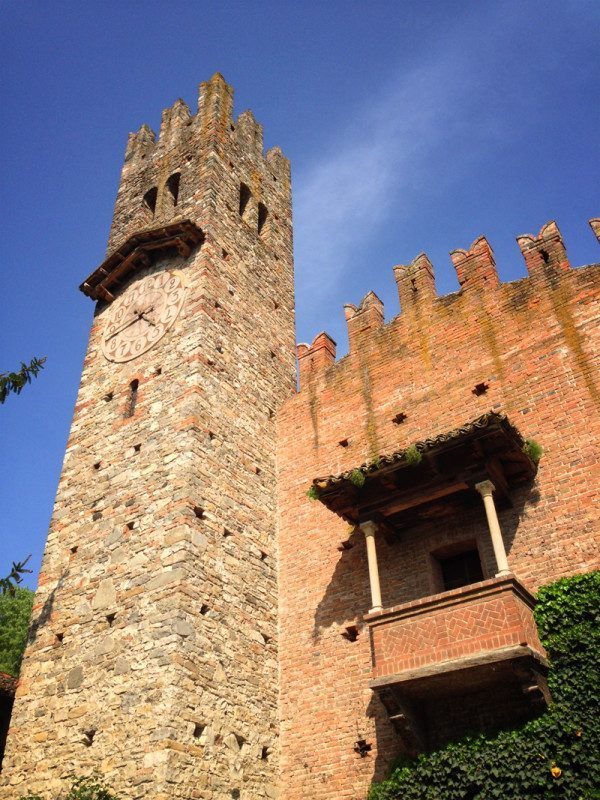
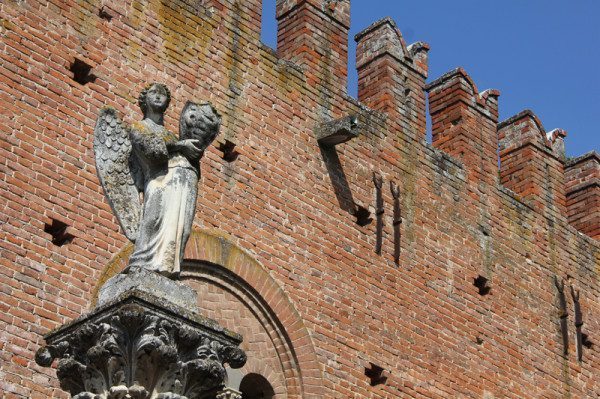
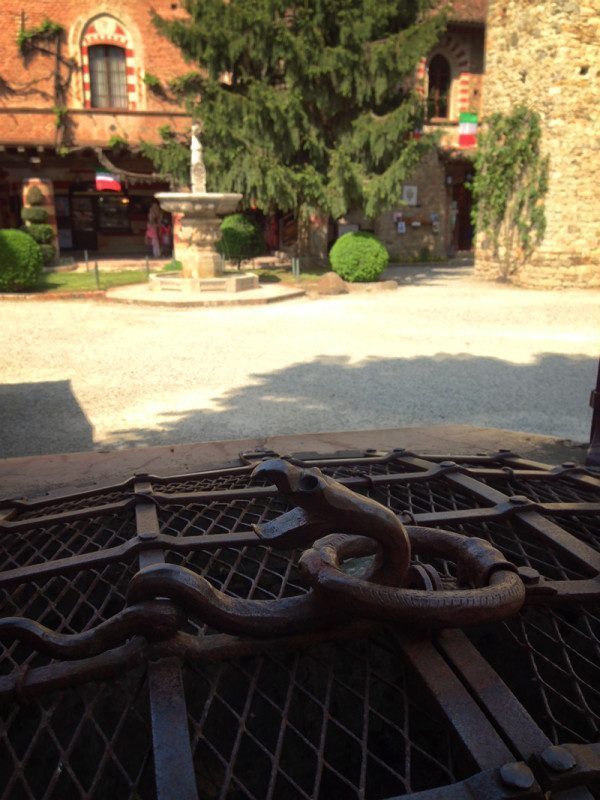
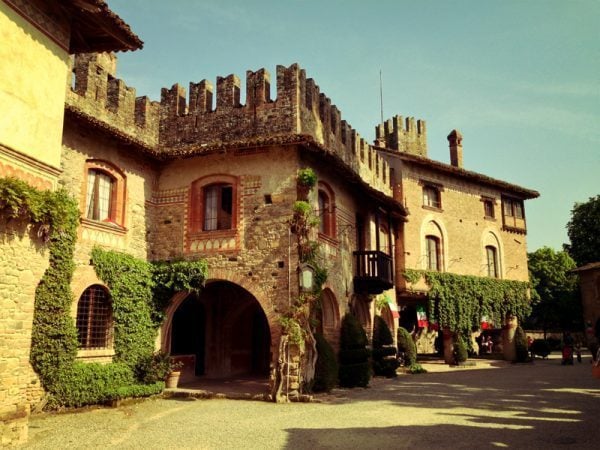
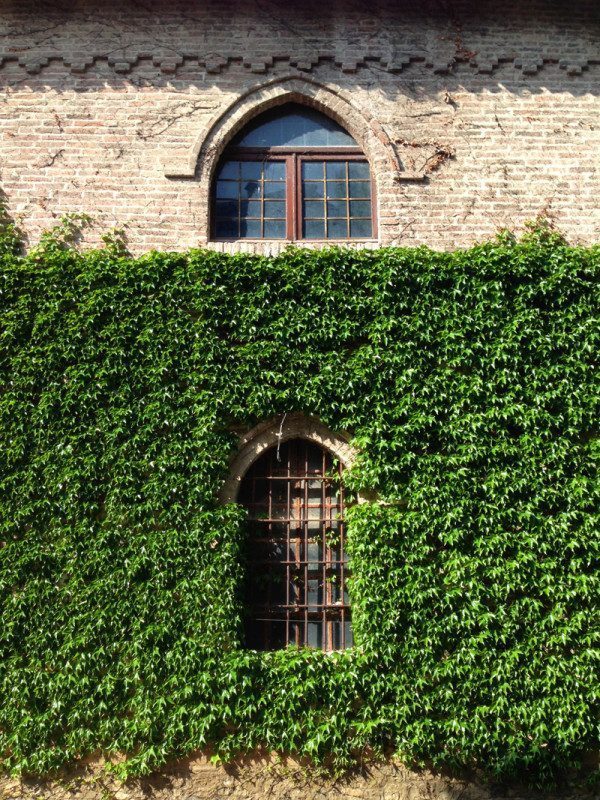
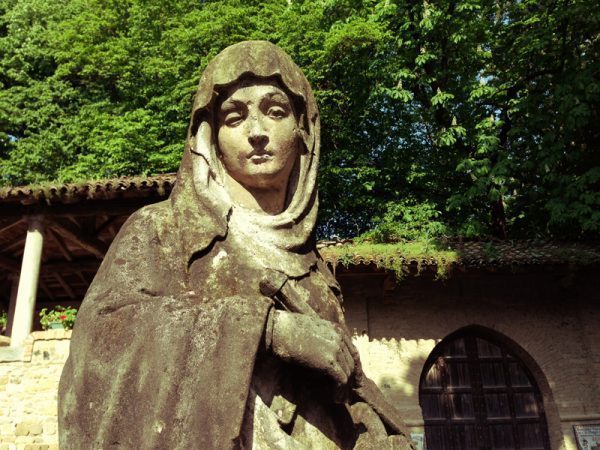
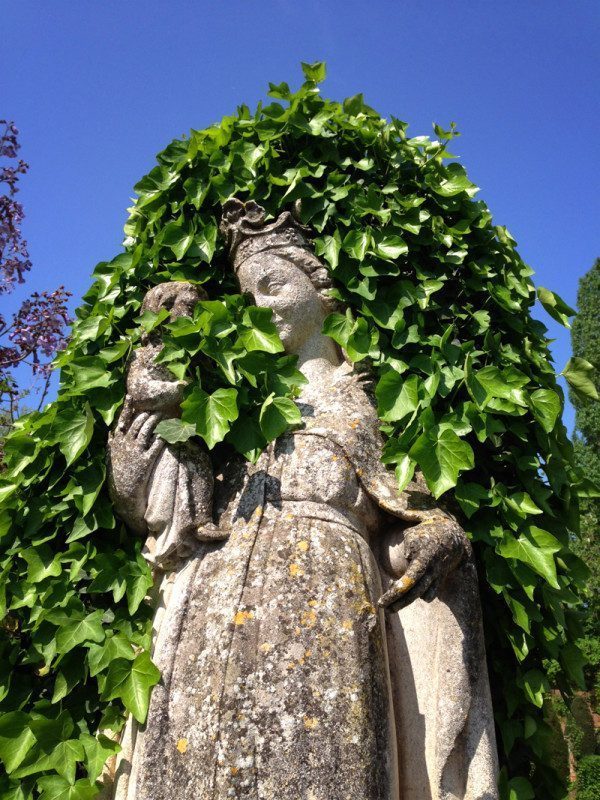
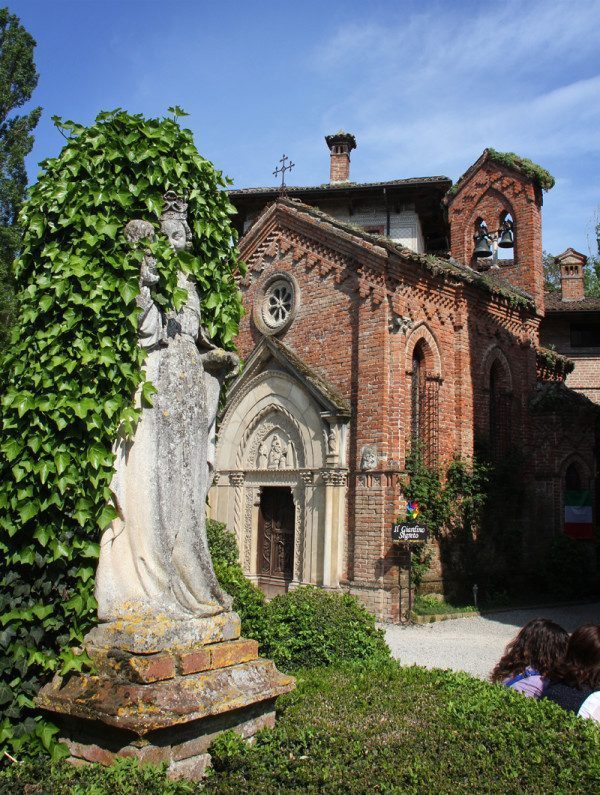
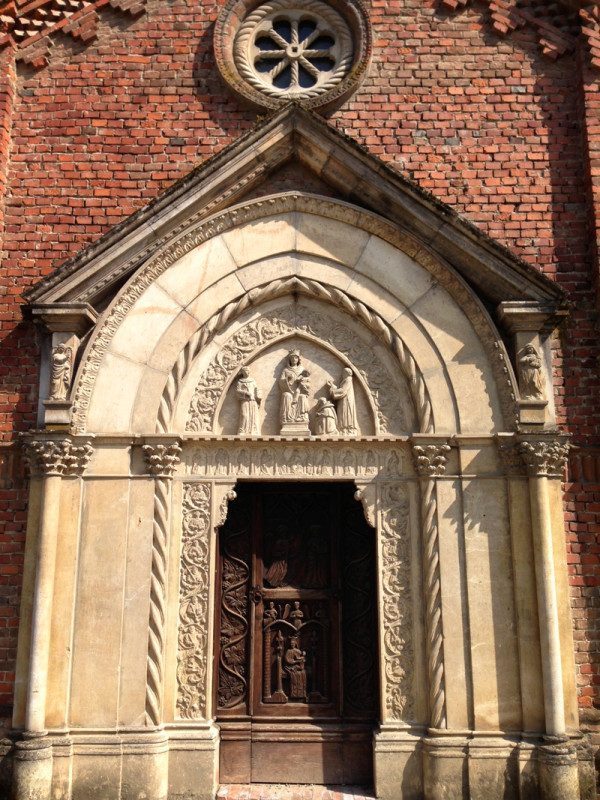
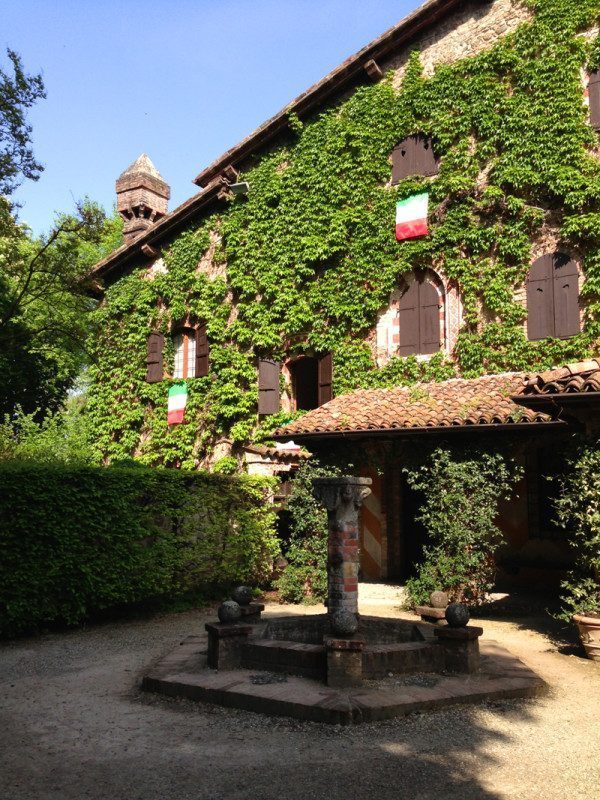
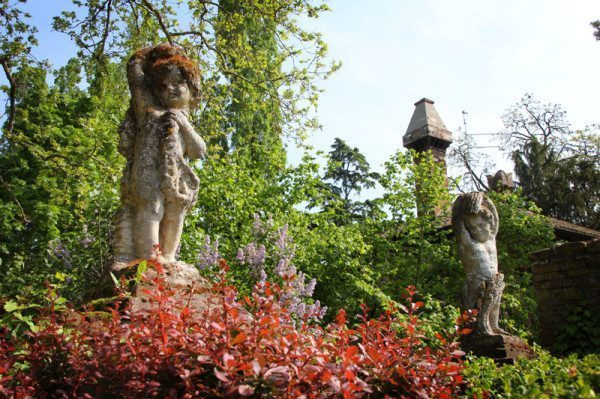
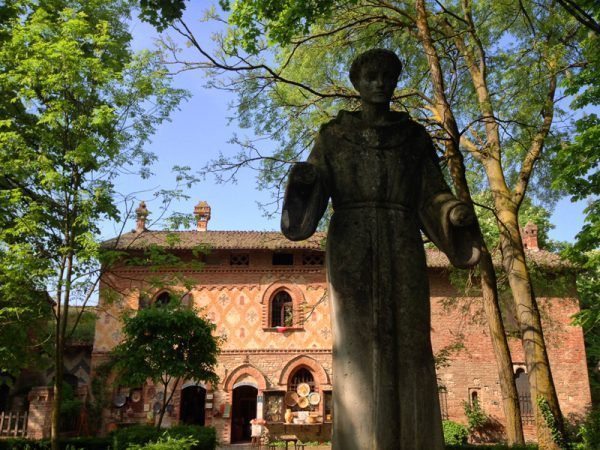
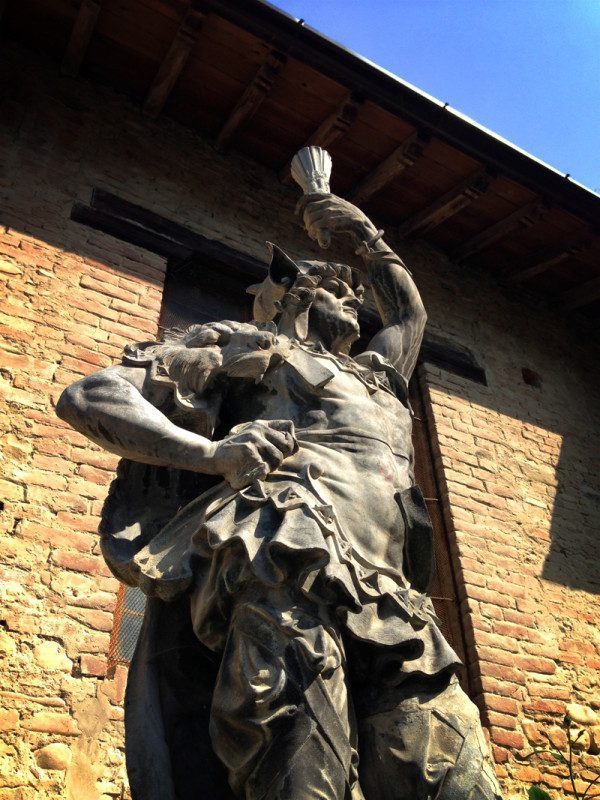
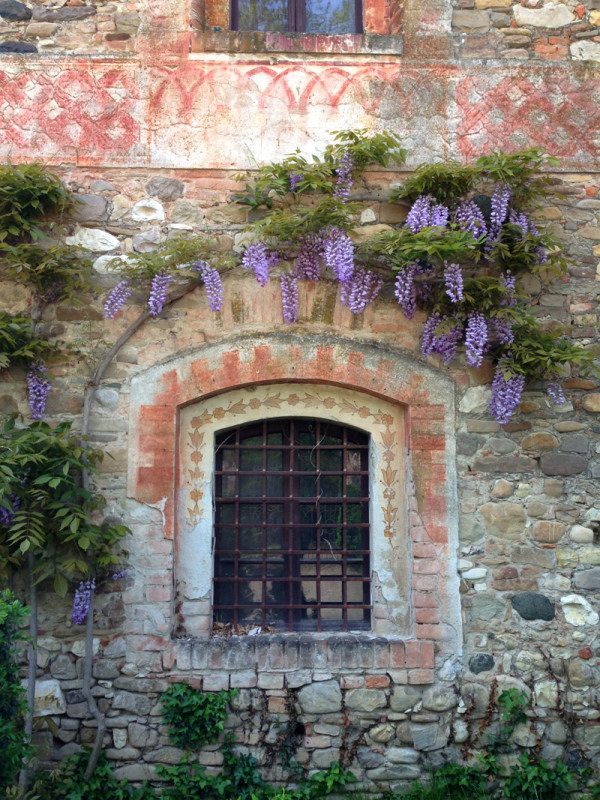
Towards the end of the 1400s, Gian Galeazzo Visconti (Lord of Milan), with an edict in Pavia, granted his illegitimate daughter Beatrice, the former wife to the nobleman Giovanni Anguissola from Piacenza, permission to build a castle. This castle proved to be the scene of many battles for various centuries, due to the feud of the Anguissola nobles. (For some reason I forgot to snap a picture of the castle with my iPhone, so this is a Flickr picture from Drop83.)This important Piacentine family kept the castle until 1884, when Countess Fanny, born Visconti and married to an Anguissola, lost her husband and only son, leaving her possessions to her brother Guido Visconti of the line of the Milanese di Modrone Earldom. Thanks to the work of Duke Giuseppe Visconti, the family arms returned to Grazzano and the village grew from a castle in ruins surrounded by a handful of dilapidated barns and hovels to a neo-medieval-style village.This is the main square, known as Gian Galeazzo Visconti (also known as the Alfa). It was completed around 1915 and today it is one of the most emblematic spaces in the village.The building of the Institution. This was the first seat of the training school of craftsmanship. The goal of Count Giuseppe aimed to create a village that in addition to being a fitting backdrop to the castle, had in itself useful structures to ensure jobs for young people who were completing courses in creative crafts of wood and wrought iron in the nascent school of Grazzano. As of today, this is one of the most symbolic buildings of the village.Next to the Institution is located the “Column Angel”, built in the 1930s. On the top, it displays an angel in white marble holding the coat of arms of the Visconti. It was erected to commemorate the visit of King Vittorio Emanuele III to Grazzano.A close-up view of the top of the well in the main square. The square well of Gian Galeazzo Visconti is among the most elegant pieces of furniture in the village. It is made out of stone and pink marble worked with acanthus leaves and detailed with the Visconti coat of arms. Its closing lid is made out of wrought iron and it is enriched with the Visconti Snake.This is the House with the Arches and Columns. It is among the most elegant and stylized buildings in the village and it is interesting due to the rich and fickle decorations with the inevitable snake that identifies the village. One section is characterized by the battlements of the roof and by a series of elegant arches. The other section rests on solid circular columns painted in horizontal bands of a discolored reddish purple and white.It’s beautiful how organic is the decoration of the village, adding another visual layer to the history of the place.There are several holy images placed all over the village, making reference to the strong Catholicism found in Italy.One of the Madonnas found today in the village was first created in 1947 as an offering from the Grazzanesi for having preserved the village from the bombings on WWII, which ravaged the nearby villages.A view from Guido Visconti Square looking towards the Madonna and the Gothic church built around 1910. To the left of the church (behind in this picture) is the former Asylum, which was an offering from the wife of Count Joseph for the unexpected healing of their third son who had a serious disease.The entrance of the Gothic Church, finely carved and detailed as it would have been if build in medieval times. All the carvings, from the profane (twisted columns, Corinthian capitals, and twisted volutes) to the sacred (religious figures and the adoration of the virgin and child) were created by Count Giuseppe Visconti.All buildings reflect the stylistic lines of the first centuries after the year 1000 AD.A setting of centuries-old trees, statues, paths, and fountains decorate the streets and squares of this small village.Something that is very pleasant about Grazzano Visconti is that the architectural ratios are harmonious and pleasant and scale of such buildings goes well with the street furniture; like the small fountains, balconies, windows, coats of arms and inscriptions.Another statue that caught my attention as I walked through the narrow street lined with houses on both sides.Again, architecture, art, and nature blending to create a beautiful scene.
Beautiful village, isn’t it?! It’s almost like traveling back in time.
307shares
Keep Reading to Plan Your Next Adventure
LET ME HELP YOU TRAVEL MORE BY GETTING ADDITIONAL TIPS AND INSPIRATION VIA THE MONTHLY NEWSLETTER.
Plus, receive a short e-book with 15 Beginner Tips and Tricks to Save Money on Flights!
One thing I’ve come to learn is that many of Italy’s villages and small towns names are based in family names from the old time. Many of them are still carried out to this day.



What a Beautiful place! It reminds me of the “Ye olde” days.
Just waiting for a knight in shinning armour to pop out!
It’s such a beautiful little village. I wouldn’t be surprised if I see a fully armored knight just walking randomly through the street!
Cool! Another medieval village with my family name I didn’t know 😀
One thing I’ve come to learn is that many of Italy’s villages and small towns names are based in family names from the old time. Many of them are still carried out to this day.